


«Μπούλες!» – Αποκριά με το μοναδικό δρώμενο της Νάουσας / γράφει η Ξανθή Χονδρού – Χιλλ
«Μπούλες!» – Αποκριά με το μοναδικό δρώμενο της Νάουσας
Χιλιάδες επισκέπτες από την Ελλάδα και το εξωτερικό τίμησαν την πόλη—————–
*Boules! Carnival with Naousa’s Unique Traditional Ritual
Thousands of visitors from Greece and abroad honored Naousa
———————
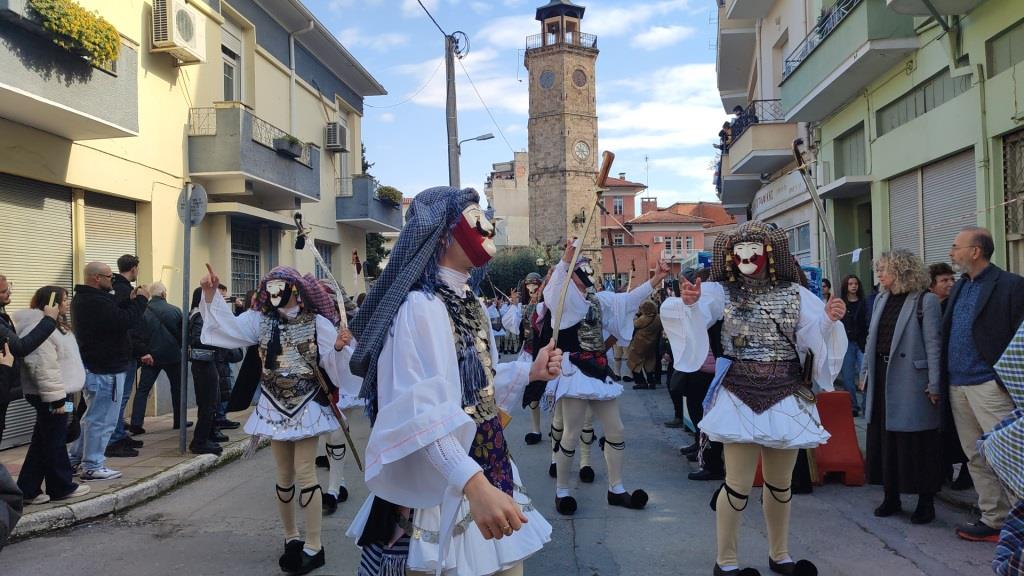
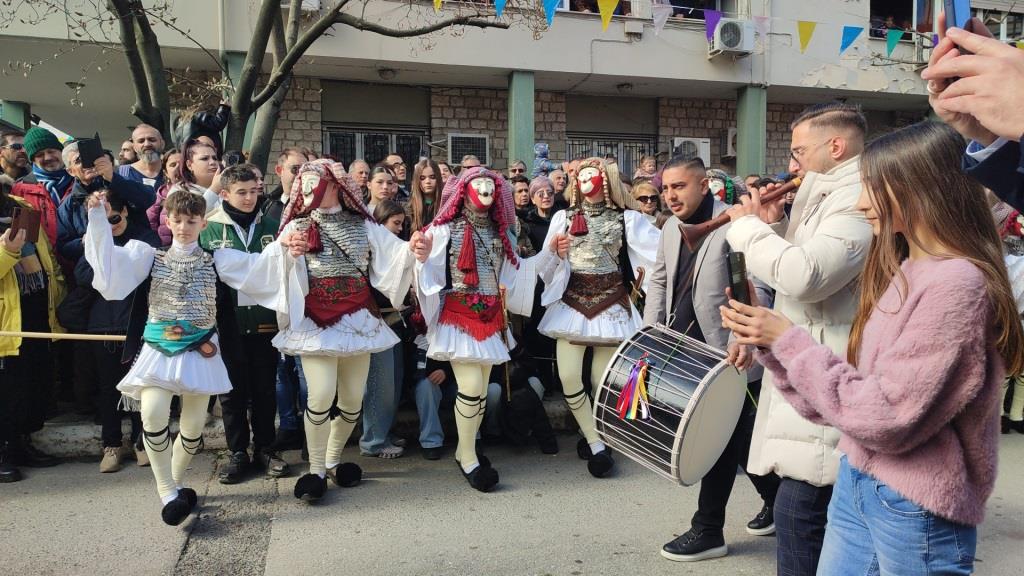
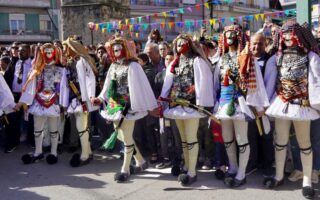
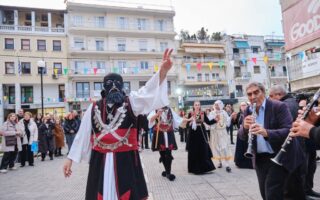
Νταούλι δυνατό… Πρωί πρωί της Κυριακής, στην αρχή ο ρυθμός του είναι αργός, μετά γίνεται όλο και πιο γρήγορος… Μετά από λίγο μπαίνει και ο ζουρνάς, σε αργό ρυθμό και αυτός και φωνάζει τις μπούλες μία-μία, για να βγουν στο μπαλκόνι. Ο χορευτής βγαίνει με τα χέρια υψωμένα στον ουρανό, το κεφάλι του το καλύπτει το ταράμπουλο (το μαντήλι δεμένο με ειδικό τρόπο) και ο λευκός «πρόσωπος», με μικρές σχισμές για να βλέπει! Έτσι ξεκινά το μάζεμα των χορευτών. Οι χορευτές τινάζονται, τα ασημικά της φορεσιάς χορεύουν με τη μουσική.
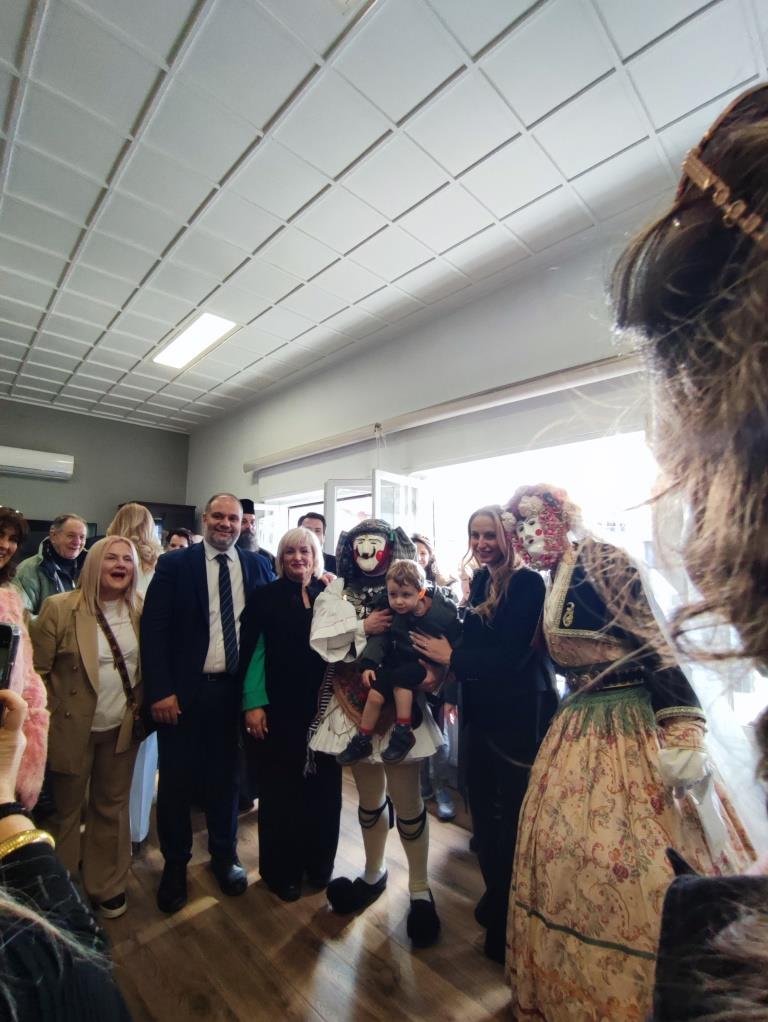
Ταυτόχρονα υπάρχουν εκδηλώσεις που ξεκινούν το πρωί της Κυριακής στο παραδοσιακό κτίριο του Ομίλου «Γενίτσαροι και Μπούλες», στο πρώην σησαμοτριβείο «Μάκη», στην περιοχή «Μπατάνια», όπου πραγματοποιήθηκε η καθιερωμένη αναφορά στην ιστορία και τη λειτουργία του εθίμου, καθώς και ξενάγηση στον χώρο, δίνοντας τη δυνατότητα σε επισκέπτες και φίλους του δρώμενου να γνωρίσουν σε βάθος τη σημασία και τη διαχρονική του αξία.
Ξεκίνησε το αποκριάτικο έθιμο της Νάουσας. Από το πρωί τα σπίτια των χορευτών είναι ανοιχτά για όλους τους επισκέπτες: φίλους, γνωστούς, αλλά και ξένους. Όλοι ευπρόσδεκτοι. Κατά τη διάρκεια του ντυσίματος είναι όλοι παρόντες.
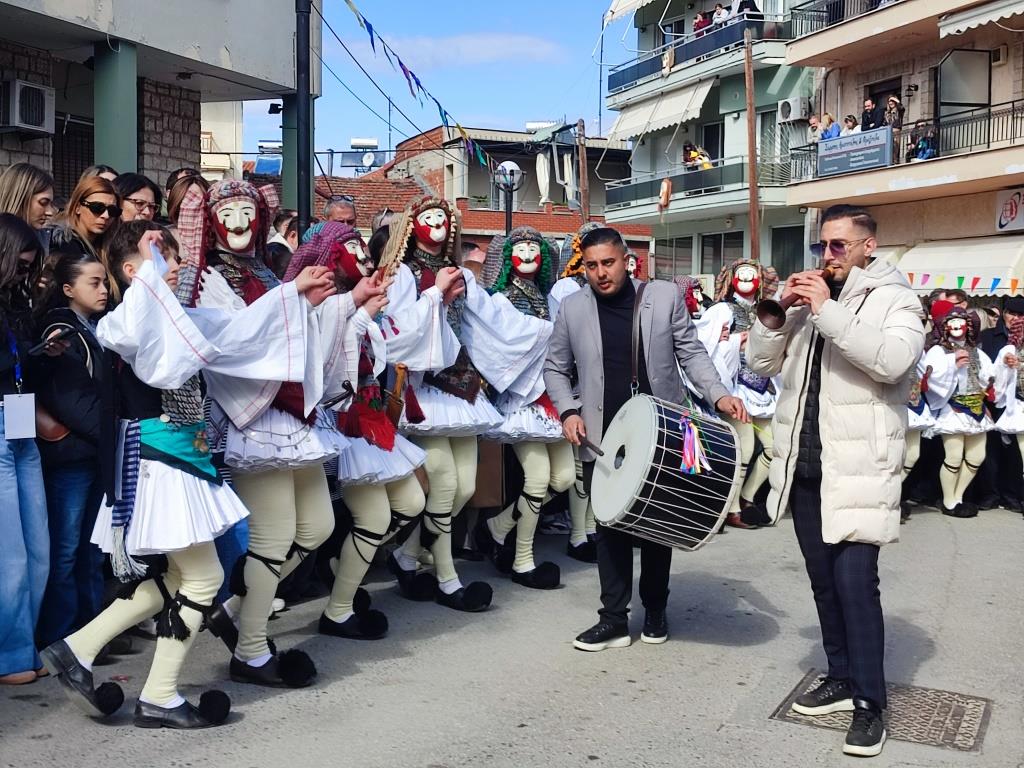
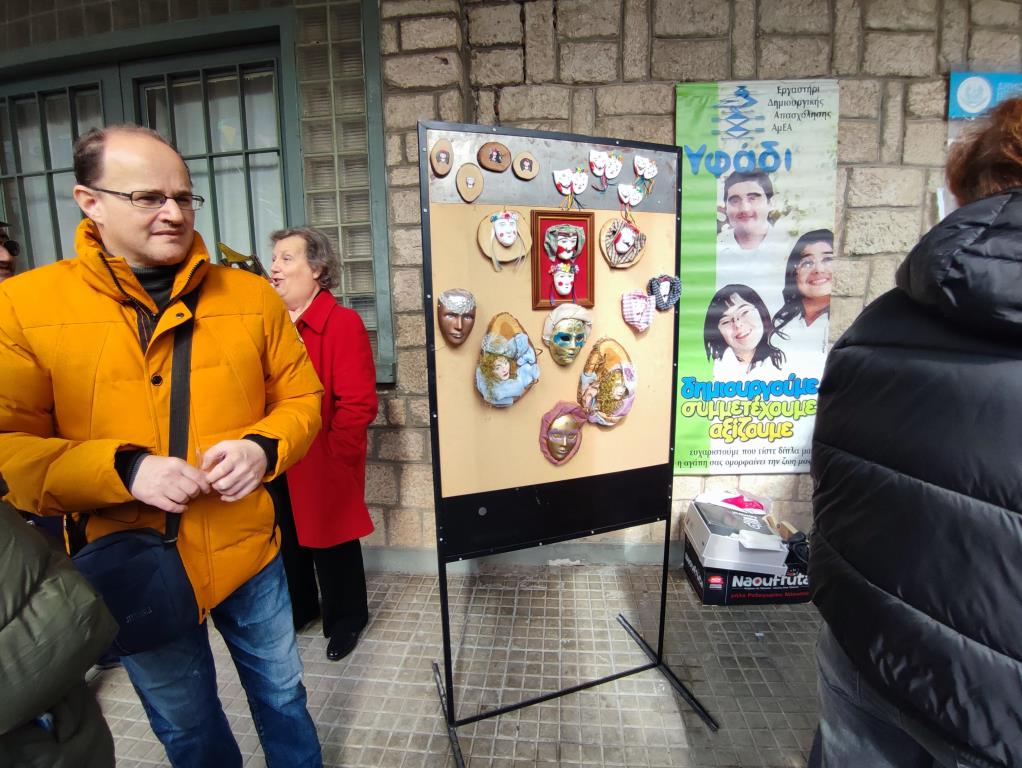
Τα δύο Σαββατοκύριακα μετά την Τσικνοπέμπτη, γιορτάζει όλη η Νάουσα την «Αποκριά». Το δρώμενο με τις Μπούλες, που περιοδεύουν χορεύοντας με τις παραδοσιακές στολές τους ολημερίς στους δρόμους της μικρής αυτής πόλης της Μακεδονίας είναι ο κύριος πόλος έλξης για πολλούς τουρίστες. Κάθε χρόνο προσέρχονται χιλιάδες άνθρωποι στην Νάουσα για να παραβρεθούν σε αυτήν την μυσταγωγία. Είναι μία μοναδική εμπειρία που παρακολουθούν όχι μόνο ντόπιοι, αλλά και πολλοί άνθρωποι από το εξωτερικό. Όχι μόνο Βέλγοι ή Γερμανοί αλλά και Κινέζοι έρχονται για να ζήσουν αυτούς τους πανάρχαιους ρυθμούς και χορούς. Για να μην ενοχληθεί το έθιμο, η δημαρχία της Νάουσας κλείνει το κέντρο της πόλης και προετοιμάζει πάρκινγκ περιμετρικά για τους επισκέπτες. Όλα είναι έτοιμα για τον ερχομό των ξένων, των επισκεπτών – γιατί για τους Ναουσαίους είναι σημαντικό «ο ξένος που θα έρθει στη Νάουσα να την αγαπήσει!»
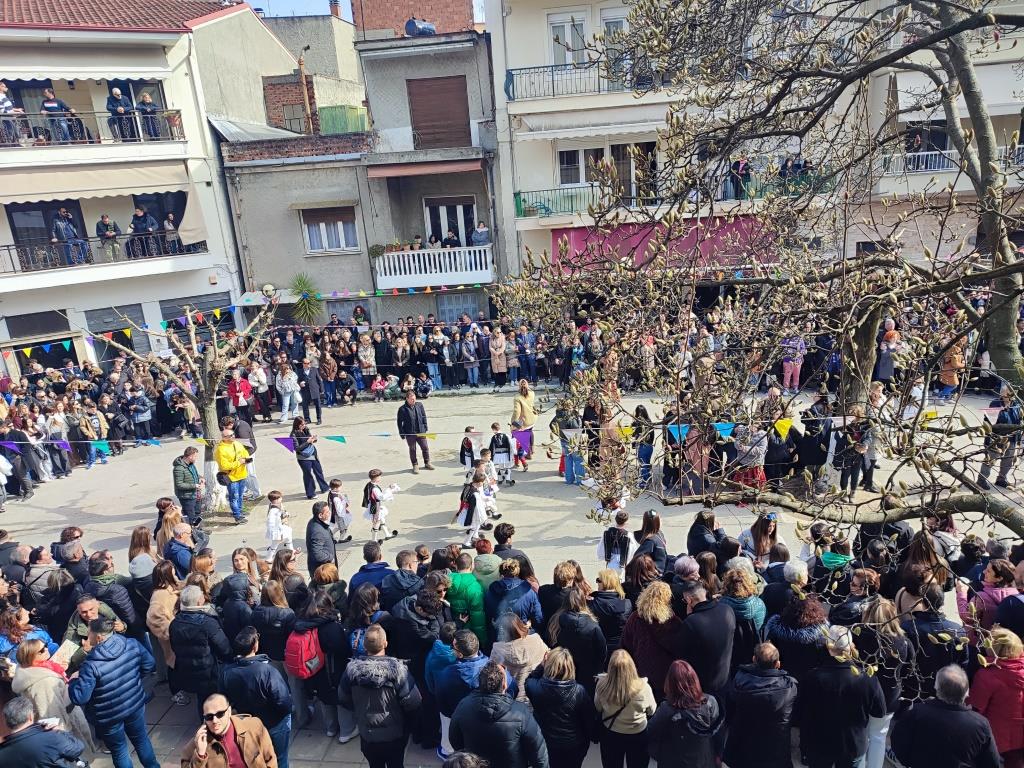
Το δρώμενο διαδραματίζεται σε τρία στάδια: Το ντύσιμο, η άδεια από τις τοπικές αρχές και η αποκάλυψη των χορευτών στην Πλατεία Αλωνιών. Το πρωί της Κυριακής ντύνεται παρουσία όλων η Μπούλα με την παραδοσιακή του στολή. Τον χορευτή τον ντύνουν περισσότερα άτομα. Μερικά από τα κομμάτια της στολής ράβονται μεταξύ τους επάνω του, για να μην μετακινούνται στον χορό. Το ντύσιμο μπορεί να πάρει μέχρι και δύο ώρες. Οι υπόλοιποι συγγενείς παρακολουθούν και εξηγούν στους επισκέπτες τα κομμάτια της φορεσιάς. Μόλις τελειώσει το ντύσιμο ξεκινάει το μάζεμα των χορευτών με νταούλι και ζουρνά. Οι μουσικοί ξεκινάν με δύο χορευτές να πηγαίνουν από σπίτι σε σπίτι και φωνάζουν τις Μπούλες πρώτα στο μπαλκόνι και μετά στη μάζωξη. Σε αυτήν την πρώτη φάση δεν χορεύουν ακόμα, παρά αποχαιρετούν τους δικούς τους σαν να φεύγουν μακριά, χοροπηδώντας σε ένα πόδι. Αυτός εξάλλου είναι ο χαιρετισμός της Μπούλας – όποιον και να συναντήσει χοροπηδάει για χαιρετισμό. Έτσι συνεχίζεται το μάζεμα μέχρι το μεσημέρι.
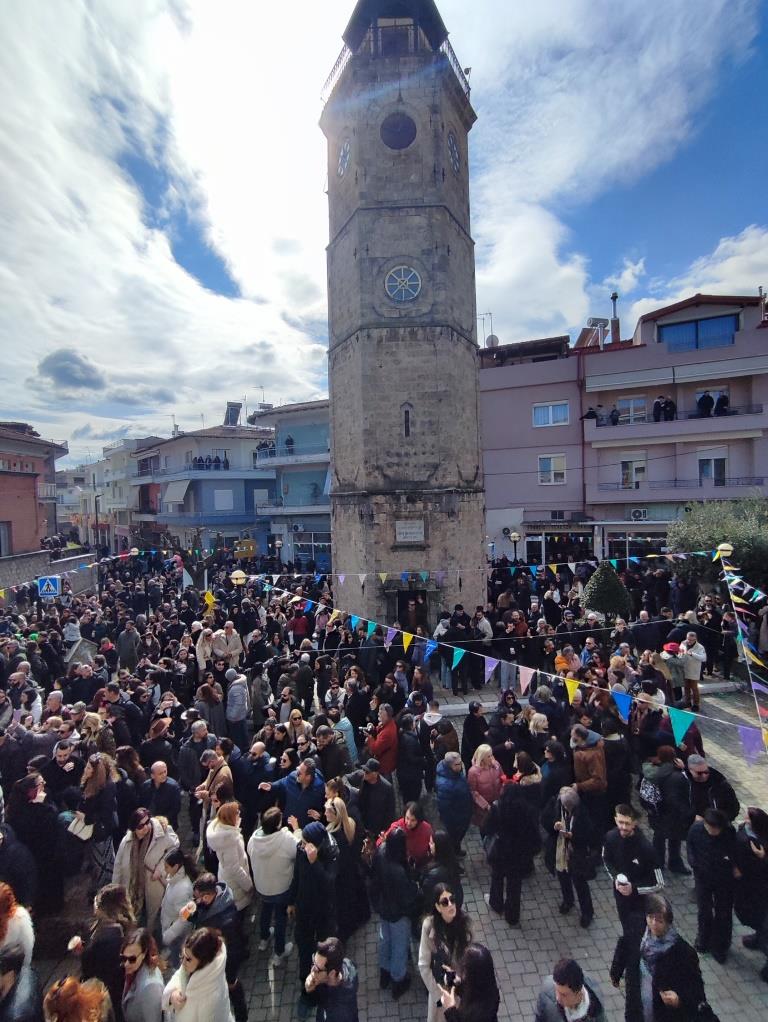
Το δεύτερο στάδιο ξεκινάει στην Πλατεία Ωρολογίου μπροστά στο δημαρχείο της Νάουσας. Οι διάφορες ομάδες, τα λεγόμενα «μπουλούκια», έρχονται για να ζητήσουν την άδεια του δημάρχου για την έναρξη του δρώμενου. Μόλις δοθεί το σήμα από το παράθυρο επάνω ξεκινάει το μπουλούκι το χορό! Από εδώ περνάνε όλες οι χορευτικές ομάδες και διασχίζουν την πόλη σε μία προκαθορισμένη διαδρομή. Αυτό διαρκεί μέχρι το βράδυ. Στο διάβα τους σταματούν σε διασταυρώσεις, όπου ο κάθε χορευτής μπορεί να επιδείξει το ταλέντο του. Οικογένειες, φίλοι και πολλοί ξένοι είναι μόνο παρατηρητές. Ανεξάρτητα από το αν χιονίζει ή αν βρέχει, αν τους ακολουθεί ήλιος ή αέρας, αν υπάρχουν άλλοι άνθρωποι μαζί τους ή όχι, οι χορευτές ξεκινάν το πρωί και τελειώνουν το δρώμενο το βράδυ. «Για εμάς τις Μπούλες είναι συναρπαστικό. Μερικές φορές έχουμε την εντύπωση ότι κάτι μας οδηγεί» λένε πολλοί. Κάτω από τον “πρόσωπο”, (την άσπρη μάσκα που φοράνε με τις μικρές οπές), δεν βλέπουν σχεδόν τίποτε, η φορεσιά ζυγίζει περίπου 25 κιλά και τα τσαρούχια τους είναι σκληρά και άβολα. Παρόλα αυτά υπάρχουν πλέον πολλές ομάδες που συμμετέχουν κάθε χρόνο στην παράδοση αυτή.
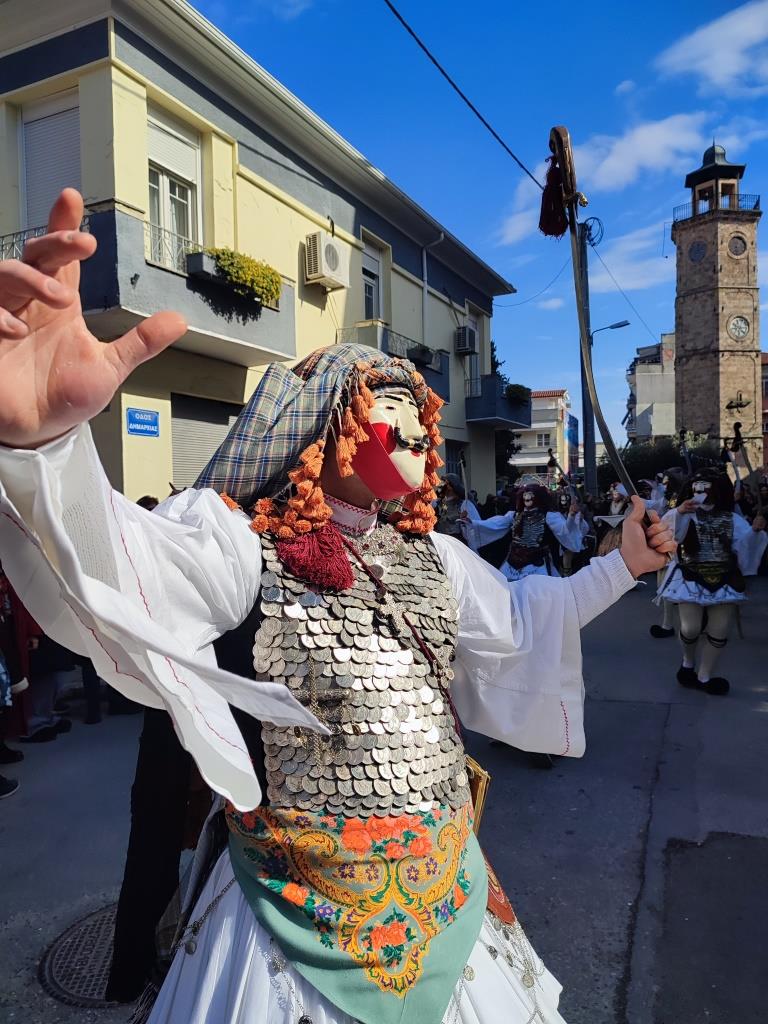
Κατά τη δύση του ηλίου συναντιούνται όλοι στην Πλατεία Αλωνιών, όπου γίνεται η αποκάλυψη των χορευτών, πράγμα που προκαλεί μεγάλη συγκίνηση και αποτελεί και το τρίτο και τελευταίο στάδιο της διαδρομής τους, αλλά και ταυτόχρονα το κορυφαίο κομμάτι της Αποκριάς στη Νάουσα. Καθώς εισέρχονται στην πλατεία οι χορευτές βγάζουν τον προσωπείο από το κεφάλι τους και αποκαλύπτουν ποιοι είναι. Στις απογευματινές αυτές ώρες τελειώνει το τελετουργικό με ρυθμούς και χορούς χαρούμενους και γίνεται ένα μεγάλο πανηγύρι. Σαν να είχαν πολύ καιρό να ειδωθούν αγκαλιάζονται και χαιρετιούνται ξανά. Άλλοι δακρύζουν. Τα σπίτια γύρω από την πλατεία είναι γεμάτα με κόσμο στα μπαλκόνια, που θέλουν και αυτοί να γευτούν τη χαρά. Οι πόρτες είναι ανοιχτές, όπως στην εποχή των προπάππων. Στο δρόμο υπάρχουν τραπέζια με φαγητά και ποτά για τις Μπούλες, κάτι να ζεσταθούν, μία καρέκλα να ξαποστάσουν, ώσπου να έρθει το επόμενο μπουλούκι και ξεκινήσει όλο το σκηνικό από την αρχή. Οι ρυθμοί πλέον είναι χαρούμενοι. Αυτή είναι η στιγμή που περίμεναν όλοι. Οι ντόπιοι κάνουν τόπο για τους ξένους: «Παιδιά ο Κώστας και η Ελένη ήρθαν από την Αθήνα, είναι για πρώτη φορά εδώ! Βάλτε τους μπροστά, για να δουν από κοντά». Έτσι όλοι γίνονται μία παρέα. Φέτος, όπως και κάθε χρόνο, ακολούθησε χορός με τη συμμετοχή πλήθους κόσμου που συνόδευε τα μπουλούκια, ενώ στο πιο κατανυκτικό μέρος του εθίμου, από τα Αλώνια έως τον Στραβό Πλάτανο, τα παιδιά και οι συνοδοί των μπουλουκιών τραγούδησαν τις παραδοσιακές πατινάδες, δημιουργώντας μια ατμόσφαιρα βαθιάς συγκίνησης και αυθεντικότητας.
Το έθιμο αυτό έχει αποκτήσει πολλούς οπαδούς, που έρχονται κάθε χρόνο στην μικρή πόλη της κλωστοϋφαντουργίας: «Εμείς νοιώθουμε σαν Ναουσαίοι», λέει ο Ράινερ και η Βίκυ αντιπροσωπευτικά για μία ομάδα Γερμανών. Μέσω του δρώμενου, του κρασιού και της φιλοξενίας που ζήσανε με φίλους στη Γερμανία, έγινε η Νάουσα δεύτερη πατρίδα τους. Πλέον μιλάνε και οι δύο ελληνικά και συζητάνε ακόμη και για την προέλευση αυτής της ναουσαίικης παράδοσης. Οι απόψεις διίστανται. Κάποιοι πιστεύουν ότι το δρώμενο έχει να κάνει με την Επανάσταση του ΄21, όταν απόκρυφα οργάνωναν την εξέγερση. Άλλοι νομίζουν ότι πρόκειται για παγανιστικά τελετουργικά για τον ερχομό της άνοιξης. Και άλλοι θεωρούν ότι είναι στενά συνδεδεμένο με την αθανασία του Μεγάλου Αλεξάνδρου. Φημολογείται ότι η φρουρά του μεγάλου στρατηλάτη τον κήδεψε κάπου εδώ κοντά και μετέφερε το έθιμο στη Νάουσα, για να μην προδοθεί η τοποθεσία του τάφου. Ο Ράινερ αγαπάει την ιστορία και το μυστηριώδες: «Αυτός ο τόπος κρύβει πολλά μυστικά: η Σχολή του Αριστοτέλη, οι Μακεδονικοί Τάφοι, η Επανάσταση – και όλα αυτά τα περιβάλλει το Βέρμιο με άλλα τόσα μυστικά».
Παράλληλα με το δρώμενο αυτό δημιουργούνται κάθε χρόνο και παράλληλες δράσεις σε καφέ και ταβέρνες της Νάουσας, για να εξυπηρετήσουν την λαοθάλασσα που επισκέπτεται την πόλη. Έτσι και φέτος στο πλαίσιο της κορύφωσης των εκδηλώσεων, στην Πλατεία Καρατάσου πραγματοποιήθηκε με μεγάλη επιτυχία αποκριάτικη μουσική συναυλία και παραδοσιακό γλέντι με τη μουσική μπάντα «Macho Band», με τη συμμετοχή πλήθους κόσμου που κατέκλυσε τον χώρο, δίνοντας ζωντάνια και παλμό στην εορταστική ατμόσφαιρα της πόλης.
Παρόντες στις εκδηλώσεις ήταν ο Αντιπεριφερειάρχης Αθλητισμού και Πολιτισμού Κεντρικής Μακεδονίας κ. Χρήστος Μήττας, ο Υφυπουργός Ανάπτυξης και Βουλευτής Ημαθίας κ. Λάζαρος Τσαβδαρίδης, ο Βουλευτής Ημαθίας κ. Τάσος Μπαρτζώκας, η Βουλευτής Ημαθίας κα Στέλλα Αραμπατζή, ο Δήμαρχος Νάουσας κ. Νίκος Κουτσογιάννης, η Εκπρόσωπος Τύπου για τα Περιφερειακά Μέσα Μαζικής Ενημέρωσης της Νέας Δημοκρατίας και Συντονίστρια του Γραφείου Πρωθυπουργού στη Θεσσαλονίκη κα Έλενα Σώκου, η Περιφερειακή Σύμβουλος Ημαθίας κα Συρμούλα Τόπη-Τζήμα, οι Αντιδήμαρχοι του Δήμου Ηρωικής Πόλεως Νάουσας, δημοτικοί και τοπικοί σύμβουλοι, εκπρόσωποι φορέων του Δήμου και της Ημαθίας, καθώς και πλήθος επισκεπτών.
*Carnival in Naousa Showcases Its Unique Historic Ritual
Thousands of Greek and international visitors paid tribute to the city
On Sunday morning sound very loud drum beats, which start slowly and get faster and faster… Then the clarinet joins in a slow rhythm and attracts the “boula” to the balcony. The dancer appears with a white mask in front of his face, stretching his hands into the sky and shaking. The coins on his costume clink to the beat.
The celebrations began on Sunday morning at the traditional headquarters of the “Genitsaroi and Boules” Association, housed in the former “Maki” sesame mill in the Batania district. There, the customary presentation on the history and living function of the centuries-old custom was delivered, followed by a guided tour of the premises. Visitors and devoted friends of the ritual were offered a meaningful opportunity to explore its symbolism, its social significance, and its enduring presence in the cultural identity of Naoussa.
With this greeting ritual, the traditional carnival in Naoussa in the region of Central Macedonia begins. The houses of the dancers are open to all visitors. Whether friends, acquaintances or strangers, all are welcome.
On the two Sundays after the so-called “Tsiknopempti”, the carnival Thursday, celebrates all of Naoussa the Carnival. A main attraction is the boules (dressed in the traditional clothing with the white mask in front of the face and the linen draped over his head), who dance in their traditional costumes through the streets of the small town in northern Greece and celebrate an ancient ritual. Every year, many thousands of people flock to the town on these two weekends to take part in the ritual. It is a unique experience that also captivates many people from abroad. Belgians and Germans, even Chinese, come every year to experience the ritual with its traditional dances. For a good experience, the city center is closed off and parking facilities are set up at the edge of the Heroic City of Naoussa. Everything is made as pleasant as possible for the tourists who flow in, because it is important to the people from Naoussa that “their guests enclose Naoussa in their hearts!”
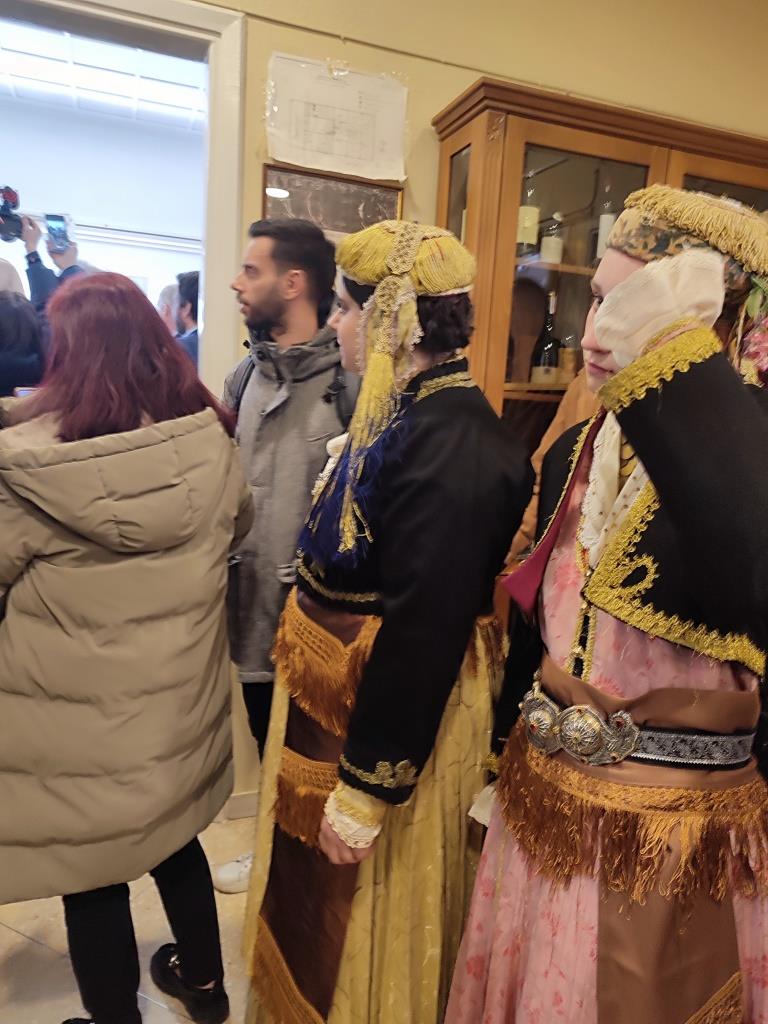
The ritual takes place in three different stages: the gathering, the asking for permission to execute the ritual from the authorities in town, and the final stage where the dancers reveal their faces and have a big celebration.
In the morning, the dancer is publicly dressed by the family with its traditional costume. For this, several people are needed, because the dancer can not dress himself. Some parts of the costume are still sewn together by hand today, so that they do not slip away when dancing. This procedure may take up to two hours. The rest of the family watches and explains to friends and strangers what the garments mean. After that, the dancers are drummed together. The musicians walk the streets with two members of the dance group and lure the dancers with their music first to the balconies and then to the street. There is no dancing yet. The dancers say goodbye to their families as if they were going on a long journey and greet their new group by hopping on one leg. So it goes from house to house, until around lunchtime the entire group is gathered.
The second stage will take place in front of the town hall. Here, all dance groups arrive and ask the mayor for permission to be allowed to start the move. Everyone is eagerly waiting, and once the sign has been given, the dance begins! From the town hall, all groups dance their fixed routes through the streets until it becomes evening. At certain points, several dance breaks are taken, during which each dancer can show his skills. During these two phases, families, friends and strangers only observe the event as spectators. Regardless of the weather and the crowd, the dancers start the ritual in the morning and finish it only in the evening. “For us dancers, it’s almost a magical event. Sometimes we feel like we’re being led by someone else,” many say. You can see almost nothing through the small openings in the mask, wear a costume weighing up to 25 kilos, and the footwear belonging to the costume is hard and uncomfortable. Nevertheless, there are now many dance groups that participate in this move every year.
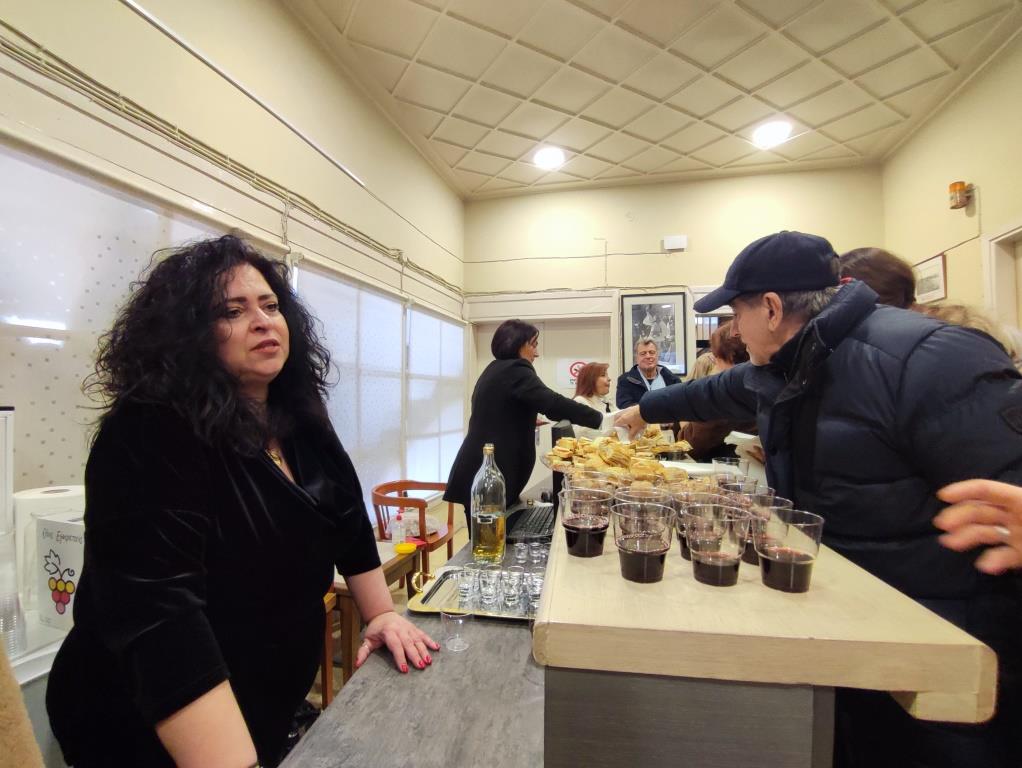
At sunset, everyone meets for the third and thus last stage on the Alonion Square, where the unveiling takes place. The dancers then take off their masks, which they have worn throughout the day. In the late afternoon, the ritual closes with a street festival. One greets and embraces, as if one had not seen each other in ages, often with tears of emotion in one’s eyes. In the houses on the square, people stand on their balconies to share in this moment of joy. The doors are open, as they were in old times. On the street there are tables with food and drinks for the dancers, something to warm up, a chair to rest – until the next group arrives, and it starts again. The music is getting more cheerful. This is the moment everyone has been waiting for. The locals make way for the strangers: “These are Kostas and Eleni from Athens. You’re here for the first time. Let them go so they can see better!” This is integration at the local level.
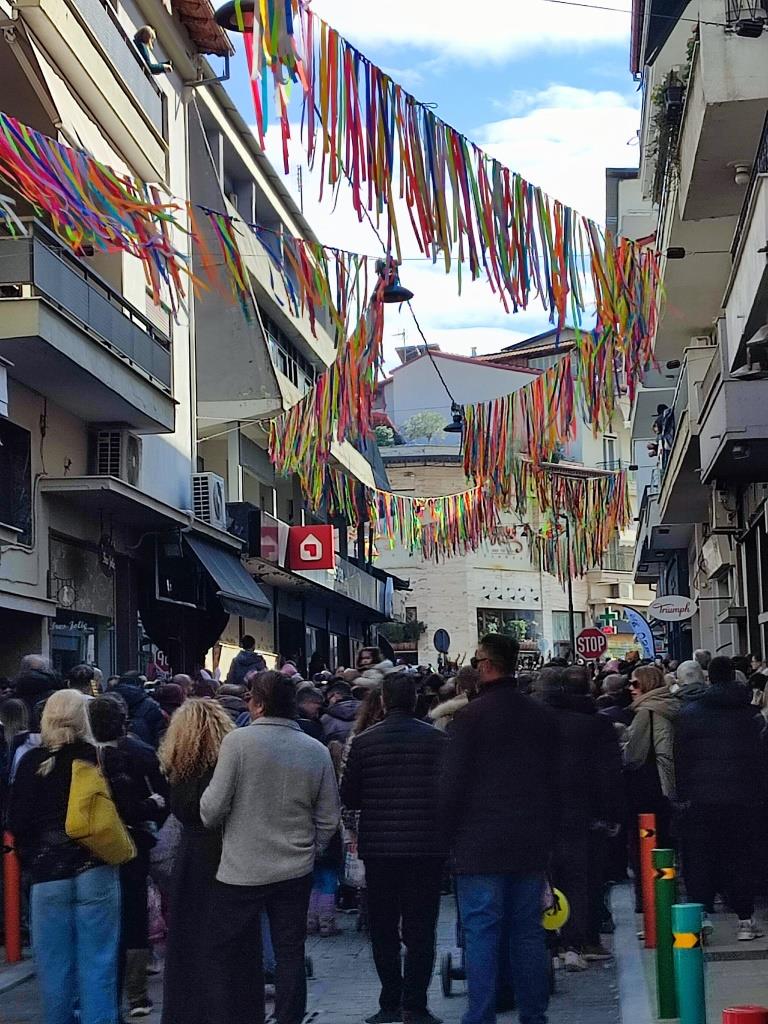
This ritual has many followers who come to the former textile industry city every year. “We feel at home here,” Reiner and Vicky say representative of a group of Germans. Through the carnival parade, the wine and the hospitality they met through friends in Germany, Naoussa has now become a second home for her. Meanwhile, both also speak Greek and discuss the origin of the carnival ritual fiercely. Opinions about this are quite far apart. Some think that it has its roots in the time of the revolution, in which Naoussa earned the title of “Heroic City” in the freedom struggle. Others think it’s a pagan spring ritual. Still others are of the view that the ritual has to do with the legendary immortality of Alexander the Great. The followers of Alexander are said to have buried him here in the area and brought the ritual to Naoussa, so that it does not come out where exactly the tomb is located. What attracts Reiner and his friends to Naoussa are the exciting historical backgrounds that many secrets surround…
As every year, the main event was accompanied by a series of parallel activities throughout the city. Cafés and taverns welcomed the sea of visitors who had gathered to experience the unique atmosphere of the Naoussa Carnival. At the peak of the festivities, Karatasou Square became the vibrant heart of celebration, hosting a lively carnival concert and traditional feast featuring the “Macho Band.” The square was flooded with people, whose energy and enthusiasm infused the city with rhythm, color, and festive spirit.
The events were honored by the presence of distinguished guests, including the Deputy Regional Governor for Sports and Culture of Central Macedonia, Mr. Christos Mittas; the Deputy Minister of Development and Member of Parliament for Imathia, Mr. Lazaros Tsavdaridis; Members of Parliament Mr. Tasos Bartzokas and Ms. Stella Arabatzis; the Mayor of Naoussa, Mr. Nikos Koutsogiannis; the Press Representative for Regional Media of New Democracy and Coordinator of the Prime Minister’s Office in Thessaloniki, Ms. Elena Sokou; the Regional Councillor for Imathia, Ms. Syrmoula Topi-Tzima; Deputy Mayors, municipal and local councillors, representatives of regional institutions, and a great number of visitors who filled the city with life and celebration.
–


ΣΧΕΤΙΚΑ ΑΡΘΡΑ
 Φωτογραφία
Δήμητρα Στασινοπούλου: Νάουσα «Γενίτσαροι και Μπούλες» / με το φακό της πολυβραβευμένης φωτογράφου
 Μουσική
Νάουσα “Από τα Δωδεκάνησα ως το Μπουένος Άιρες” / ενθουσίασαν οι τέσσερις διάσημοι σολίστες στην Εστία Μουσών
 Ρεπορτάζ